
Listed building restoration: how to maintain and protect historic buildings
Historic buildings are irreplaceable witnesses to our architectural and cultural heritage. Castles, cathedrals, Georgian and Victorian terraces, churches and chapels, historic bridges: these structures have stood for centuries, but they are finding it harder and harder to withstand the combined effects of time, weather, urban pollution and vandalism.
Looking after them cannot be improvised. Traditional materials such as limestone, blue limestone, brick, mineral render and early concrete are fragile and call for specialist products. The wrong treatment can cause irreversible damage.
This guide to listed building restoration covers the professional SCALP SAS solutions for cleaning, protecting, consolidating and restoring historic buildings, and the consents you need before any work starts.
Why historic buildings need specialist products
Unlike modern buildings, historic buildings have several characteristics that make their maintenance delicate:
- Porous, fragile materials (limestone, soft chalky limestone, sandstone, old brick) that readily absorb moisture, pollutants and salts
- Ornamental surfaces (carvings, mouldings, bas-reliefs) that cannot withstand abrasive techniques
- Statutory controls that require the original appearance and materials to be respected
- Permanent exposure to the weather, freeze-thaw cycles, efflorescence and biological growth (moss, algae, lichen)
Using unsuitable products that are too acidic, too abrasive or film-forming can permanently damage historic materials. That is why the choice of treatment product is as important a decision as the method of application.
Cleaning historic buildings: recommended products and methods
SCALP PIERRE AQUA 89 : gentle stone cleaner for façades
SCALP PIERRE AQUA 89 is SCALP’s cleaner of choice for the stone façades of historic buildings. Its formula works on ingrained atmospheric pollution (carbon deposits, fine particulates, black crusts) without damaging the surface.
Suitable substrates: natural stone, marble, concrete, roughcast render, exposed-aggregate finishes, painted surfaces, organic and plastic coatings.
Benefits for heritage restoration:
- Deep stone cleaning without abrasion, unlike sandblasting or low-pressure abrasive cleaning
- Respects the fragile materials and carved ornament of old buildings
- Reduces the cost and time spent on site
- Safe for the building’s other materials (window glass and frames, ironmongery, uPVC)
Tip: dab the product on rather than spreading it thinly, so that as much product as possible stays on the surface.
Gentle Stone Cleaner for Facades – SCALP PIERRE AQUA 89
SCALP NDS 72: efflorescence treatment for historic masonry
Efflorescence (whitish deposits caused by soluble salts migrating to the surface) is one of the most common problems on the façades and plinths of historic buildings, particularly in damp areas and below ground level.
SCALP NDS 72 is an impregnating efflorescence remover that eliminates these deposits and neutralises surfaces that have been treated with alkaline products, preventing staining and etching of glass.
Benefits:
- Removes efflorescence and helps prevent it coming back
- Protects walls, plinths and decorative elements from salt-related structural damage
- Acidic formulation, effective on stone, brick and concrete
- Clean, uniform finish, essential on listed building projects
Efflorescence remover & brick salt treatment – SCALP NDS 72
SCALP NDS 72 is an efflorescence remover designed to eliminate white salt deposits and neutralise alkaline residues following cleaning or stripping operations. Its powerful acidic impregnating formula delivers fast, deep action, ensuring mineral surfaces are fully stabilised and ready for finishing treatments.
This professional solution is particularly effective for treating efflorescence on brick, concrete, plaster, and stone, restoring the appearance of façades while improving coating adhesion and long-term durability.
What Causes Efflorescence in Bricks and Masonry ?
Efflorescence in bricks occurs when moisture carries mineral salts to the surface of porous materials. As water evaporates, visible white deposits form, affecting both appearance and substrate performance.
If left untreated, efflorescence on brick and masonry can:
- Damage surface appearance
- Prevent proper adhesion of paints and coatings
- Lead to recurring moisture-related defects
- Weaken porous building materials over time
SCALP NDS 72 penetrates deep into the substrate to dissolve salts, neutralise alkaline residues, and stabilise the surface to help prevent recurrence.
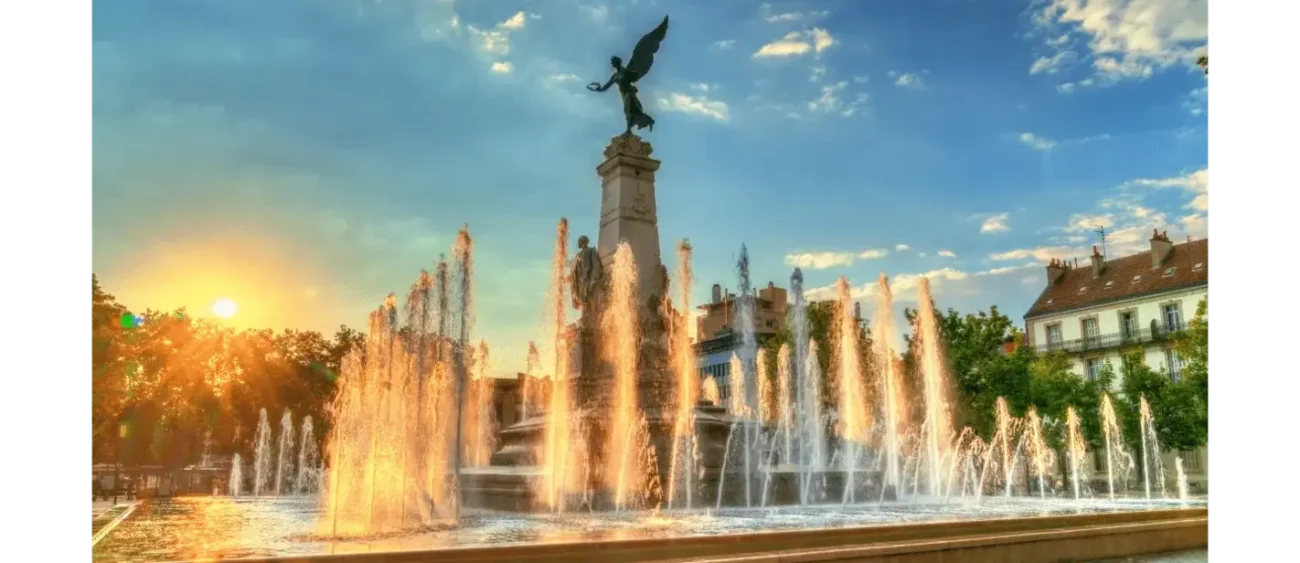
Protecting historic buildings against damp and water ingress
Stone, concrete and other porous materials are particularly vulnerable to the effects of moisture and contaminants. Using the right protective products is therefore essential.
AQUAFUGE 18: silicone-based stone sealer for limestone and blue limestone
Moisture is the main cause of deterioration in historic stone buildings. It encourages freeze-thaw damage, efflorescence, micro-organism growth and the gradual breakdown of the material.
AQUAFUGE 18 is a clear silicone-based water repellent that penetrates deep into the pores of the material to form an invisible barrier against water, dirt and contaminants. It preserves the natural appearance of the façade without forming a surface film.
Suitable substrates: blue limestone, limestone, concrete, cement, fibre cement, lime.
- Protection against water ingress
- Limits soiling and micro-organism growth
- Respects the original appearance of the material: no visual change
- Ideal for listed buildings, churches and heritage properties
Bluestone & stone walls Water Repellent – AQUAFUGE® 18
AQUAFUGE® 18 is a professional-grade, colourless water repellent specifically developed for waterproofing stone walls and protecting porous mineral surfaces such as bluestone, limestone, concrete, cement, fibre cement and lime-based materials.
Its advanced penetrating formula creates an invisible, breathable barrier that prevents water ingress while maintaining the natural appearance and porosity of the substrate. Ideal for both renovation and new construction projects, it provides reliable long-term protection against moisture-related damage.
SCALP ANTI-TACHES 07: protecting historic floors and terraces
The floors of historic buildings (stone paving, marble, sandstone, terracotta, setts) are subject to heavy footfall and liquid spills. SCALP ANTI-TACHES 07 is a clear, non-film-forming water and oil repellent that stops water, wine, coffee, oil and grease penetrating the surface.
Suitable substrates: stone, marble, sandstone, granite, block paving, terracotta, timber.
- Invisible stain protection with no change to the appearance of the material
- Reduces the risk of spalling during freeze-thaw cycles
- Ideal for pavements, steps, forecourts and the surroundings of listed buildings
Oil-Repellent Waterproofing for Floor Protection – SCALP ANTI-TACHES 07

Consolidating historic materials
Protection and consolidation products must not only restore and strengthen surfaces, but also protect them against the damaging effects of moisture and atmospheric pollution.
SCALP MINERALISANT 95: consolidant for stone and mineral renders
Historic materials exposed to moisture and urban pollution gradually break down. SCALP MINÉRALISANT 95 is a consolidant that penetrates deep into the pores of mineral materials to strengthen them for the long term, without changing their original appearance.
Suitable substrates: natural stone, brick, mineral renders, concrete.
- Halts the gradual breakdown of mineral surfaces
- Simple, quick application, suited to heritage restoration projects
Respects the visual authenticity of historic materials
Professional stone facade mineralizer – SCALP MINÉRALISANT 95
SCALP MINERALISANT 95 is a professional mineralising treatment designed to strengthen and consolidate porous masonry, including limestone, siliceous stone, brick, concrete, and mineral coatings.
Invisible once applied, it provides long-lasting reinforcement without altering the appearance of the surface. Ideal for restoring historic monuments, old façades, or modern buildings, it protects masonry from moisture, weathering, aging, and external damage.
For large areas or hard-to-reach surfaces, SCALP MINERALISANT 95 can be applied via drone, ensuring fast, uniform, and safe application.
SCALP CONSOLIDANT HYDROFUGE: dual action, consolidation and waterproofing
SCALP CONSOLIDANT HYDROFUGE combines in one product two complementary actions that are essential to heritage conservation:
- Hardening of porous, weakened surfaces
- Water repellency: a barrier against moisture and atmospheric pollutants
Suitable substrates: calcareous and siliceous stone, brick, concrete, mineral renders.
This product is particularly recommended for highly exposed façades and architectural features, where the combined structural and climatic stresses are most severe.
2-in-1 stone consolidator & water repellent – SCALP CONSOLIDANT HYDROFUGE
SCALP CONSOLIDANT HYDROFUGE is a professional 2-in-1 waterproof consolidant that strengthens porous materials while delivering long-lasting protection against water penetration and atmospheric damage.
Designed for façades, walls and floors, this high-performance masonry consolidator and water repellent penetrates deeply into mineral substrates to reinforce weakened surfaces and create an invisible protective barrier. The treatment does not alter the appearance of the material, making it ideal for both modern construction and heritage restoration projects.
Suitable for stone, brick, concrete and mineral coatings, it provides durable structural reinforcement while protecting surfaces from moisture, damp and pollution.
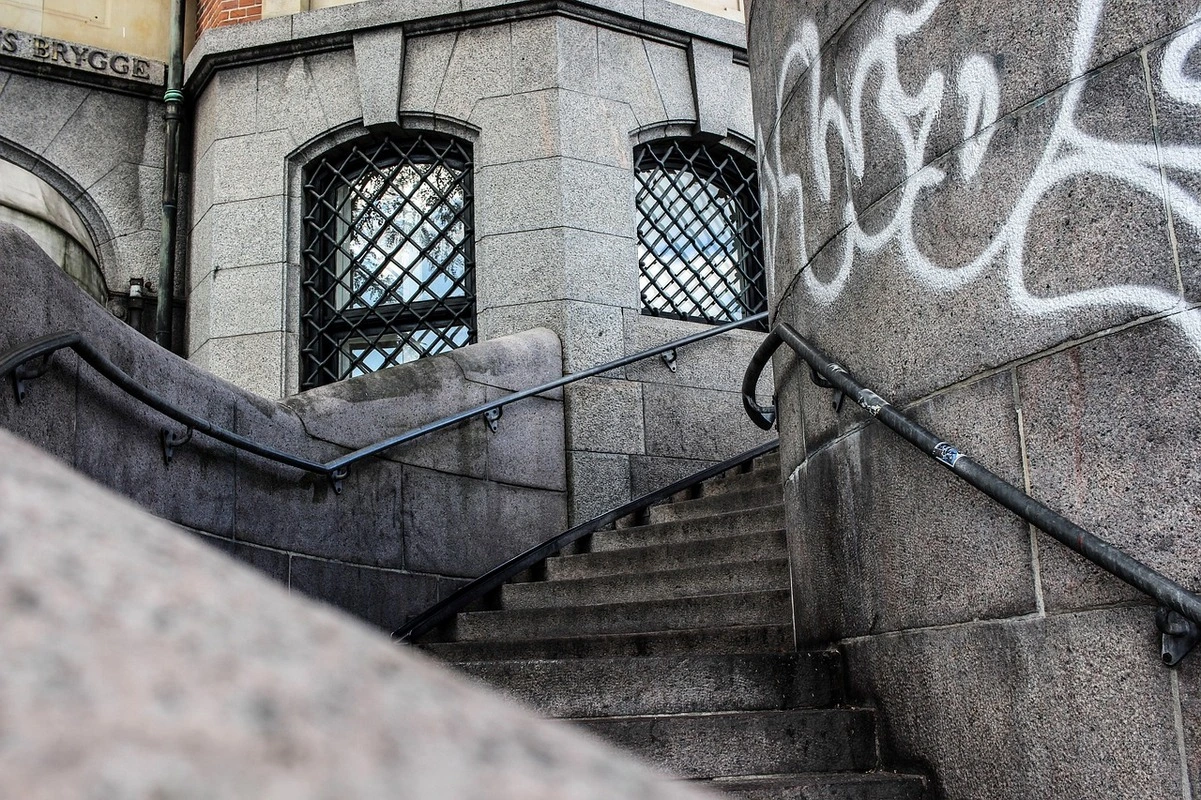
Protecting and cleaning historic buildings against graffiti
VERNACRYL 30: anti-graffiti coating for porous surfaces
VERNACRYL 30 is a semi-permanent film-forming anti-graffiti coating that protects bare, porous surfaces against all types of graffiti (paint, marker pen, ink). It also has a water-repellent action against water ingress.
Suitable substrates: stone, brick, concrete, cement, timber.
- No bonding primer needed: apply the product directly
- Dual action: anti-graffiti + water repellent
- Suitable for indoor and outdoor environments
- Preserves the appearance of listed façades
Sacrificial Anti Graffiti Coating – VERNACRYL 30
- 2-in-1 solution: Anti-graffiti protection + water-repellent barrier
- Economical and fast: Single-component, primer-free formula
- Finish options: Transparent, available in matte or gloss
- Durable: UV-resistant, does not yellow, preserves water vapor permeability
SCALP GRAFFITI REMOVER: graffiti remover for existing graffiti
Where graffiti is already present, SCALP GRAFFITI REMOVER offers a targeted cleaning solution. It effectively removes all types of graffiti from bare, porous surfaces without altering the original material. Ideal for street cleaning operations and emergency call-outs on listed buildings and scheduled monuments.
Suitable substrates: natural stone, concrete, cement, timber.
Anti graffiti primer – SCALP PRIMER 36
SCALP PRIMER 36 is a professional anti graffiti primer designed as an insulating barrier for permanent anti-graffiti systems such as VERNAEAU PU 16. This colourless, microporous base coat prevents surface darkening, pigment migration and staining on sensitive or porous substrates.
It creates a protective interface between the substrate and the final coating, ensuring optimal adhesion, consistent appearance and long-term performance of anti-graffiti protection systems.
This insulating primer for masonry blocks colour bleed-through and prevents the “wet look” effect often seen when protective coatings are applied directly to lime-based renders, dark paints or untreated mineral surfaces.

What consent do you need before working on a listed building?
Any work that affects the character of a listed building, inside or out, needs listed building consent from the local planning authority before it starts. Cleaning, repointing, paint removal and the application of surface treatments can all count, and carrying out such work without consent is a criminal offence. Scheduled monuments are covered by a separate regime, scheduled monument consent, obtained from the national heritage body. Speak to the council’s conservation officer at the earliest stage of the project.
Key legislation and bodies
The main provisions are set out in the following legislation:
- England and Wales: Planning (Listed Buildings and Conservation Areas) Act 1990. Buildings are listed at Grade I, Grade II* or Grade II. Advisory bodies: Historic England and Cadw.
- Scotland: Planning (Listed Buildings and Conservation Areas) (Scotland) Act 1997. Buildings are listed in categories A, B and C. Advisory body: Historic Environment Scotland.
- Northern Ireland: Planning Act (Northern Ireland) 2011. Advisory body: the Department for Communities’ Historic Environment Division.
- Scheduled monuments (UK-wide): Ancient Monuments and Archaeological Areas Act 1979, under which scheduled monument consent is required for any works.
- Conservation areas: additional planning controls apply to buildings within a designated conservation area, even where they are not individually listed.
Share
IT