

 FR
 ES
 DE
 NL
 PL
 PT
 IT
Graffiti removal and anti-graffiti protection for façades
Removing graffiti without damaging the surface means establishing three things before you open a container: the nature of the substrate (porous, smooth, fragile, already treated), the type of graffiti (spray paint, permanent marker, ink, felt-tip) and whether an anti-graffiti coating is already in place. The wrong product leaves permanent marks or destroys the material.
Stone façades, concrete walls, listed buildings, street furniture, shop fronts, vehicle bodywork: no surface is spared. This guide to graffiti removal sets out the method by type of substrate, the right products and the protection to apply so that future clean-ups cost less.
Why is the choice of anti-graffiti product so important?
Not every surface reacts the same way to graffiti, or to cleaning products. An unsuitable product can cause irreversible damage: discolouration, surface erosion, destruction of an existing protective coating, or weakening of historic materials.
Before any work, identify:
- The nature of the substrate: porous, smooth, fragile, treated
- The type of graffiti: spray paint, permanent marker, ink, felt-tip
- Whether an anti-graffiti coating is already in place
- The site constraints: listed building, busy urban area, interior space
How to remove graffiti according to the substrate
On a porous surface: stone, concrete, timber
Porous materials quickly absorb paint pigments and inks, which penetrate deep into the surface. The longer you wait, the harder removal becomes, to the point of being impossible without damaging the surface. This is where speed of response matters most.
SCALP GRAFFITI REMOVER is the product of choice for these substrates: its formulation dissolves ingrained pigments, spray paint, felt-tip and ink, without causing erosion or damaging the material.
- Suitable substrates: natural stone, concrete, cement, timber.
- Uses: listed buildings, urban walls, bridges and civil engineering structures, public buildings.

On a smooth or sensitive surface: metal, glass, plastic
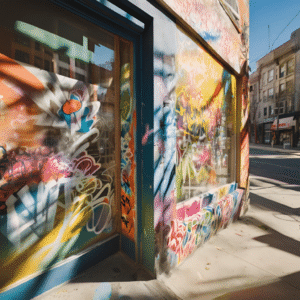
Road signs, shop fronts, vehicle bodywork, plastic cladding: these surfaces do not hold pigments deep down, but they are very vulnerable to scratching and discolouration. An abrasive cleaner or an over-concentrated solvent can permanently scratch and dull a shop window, discolour or weaken a metal finish, or degrade an existing surface treatment such as anodising or powder coating.
SCALP SENSITIVE SURFACE CLEANER removes graffiti from these substrates without scratching or discolouration.
- Suitable substrates: metal, glass, plastic, lacquered or anodised surfaces.
- Uses: shop fronts, signage, street furniture, vehicle bodywork, metal or glazed elements of historic buildings.
On a surface that is already protected
A surface treated with an anti-graffiti coating such as VERNAEAU PU 16 has a barrier that stops pigments bonding deep into the material. Cleaning is easier, but it requires a product compatible with the protective layer: an unsuitable cleaner damages or removes the barrier, the surface becomes vulnerable again, and the full treatment has to be reapplied.
SCALP ANTI-GRAFFITI 49 cleans effectively while preserving the existing protection, which reduces maintenance costs and extends the life of the original treatment.
Graffiti on a listed building
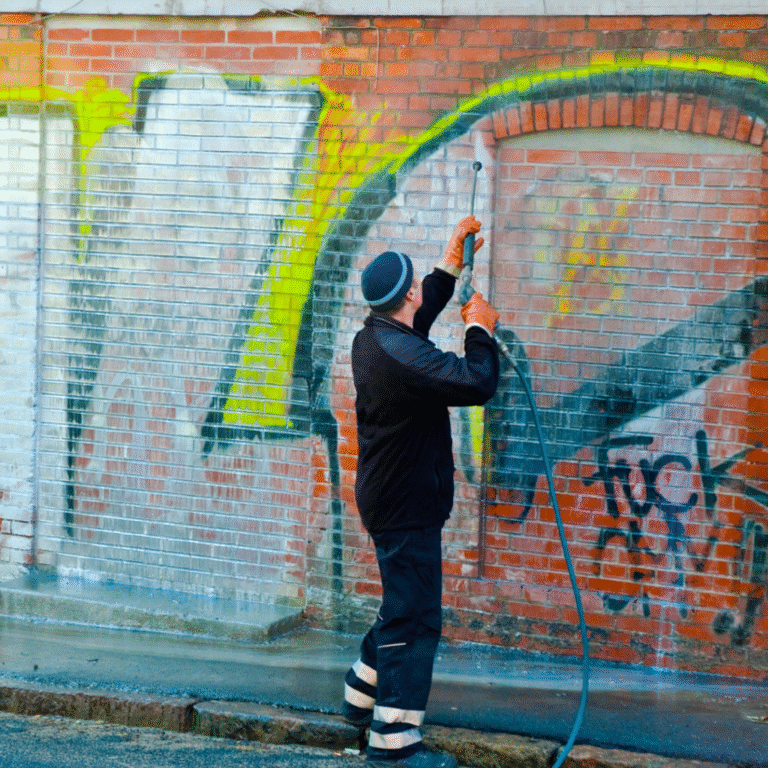
On old stone or a carved surface, any aggressive cleaning, blasting, high-pressure wet blasting or strong solvents, can permanently damage the decoration. Specifically formulated products are essential here, and the work falls within the rules that apply to listed buildings and scheduled monuments, including listed building consent where cleaning affects the character of the building.
Protecting a façade against graffiti
On sites that are regularly targeted, an anti-graffiti coating changes the economics of maintenance: pigments no longer bond deep into the surface, every clean-up becomes faster and gentler on the substrate, and the façade deteriorates more slowly. It is a maintenance investment rather than a cosmetic expense.
Frequently asked questions about graffiti
How do you remove graffiti from stone?
With a product formulated for porous substrates, which dissolves the pigments without eroding the material. The faster you act, the more complete the removal: on stone, pigments keep penetrating over time.
How do you remove graffiti from metal or glass?
With a cleaner designed for smooth, sensitive surfaces. Abrasives and over-concentrated solvents scratch glass and irreversibly dull lacquered or anodised finishes.
Should a surface be protected after cleaning?
On an exposed site, yes: an anti-graffiti coating stops pigments bonding deep into the surface and makes later clean-ups simpler and gentler on the substrate.
Can graffiti be cleaned off a surface that is already treated?
Yes, provided you use a product compatible with the protection in place. An unsuitable cleaner destroys the barrier and forces you to redo the full treatment.
Share