Paint stripping: techniques by substrate and the right products

Paint stripping means removing a layer of material, paint, varnish, adhesive or coating, from the surface of a substrate in order to maintain or renovate it. It is the step that determines whether the new coating will bond: without prior stripping, the next finish adheres poorly and deteriorates quickly.

Wood, metal, stone, concrete: each substrate calls for a different method. This guide reviews the main stripping techniques, their limits and the products suited to each surface, for homes as well as industrial buildings, public infrastructure and highway structures.

Why carry out paint stripping?

Stripping is a prerequisite before you:

  • Treat or protect a surface against corrosion, damp or UV
  • Paint or varnish, to ensure the coating bonds
  • Restore materials to their original appearance

Without prior stripping, new coatings bond poorly and deteriorate quickly. That is why this step is a systematic prerequisite on any serious renovation project.

What are the stripping methods?

Chemical stripping

A chemical paint stripper works by softening old layers of paint, adhesive or varnish, using solvents and active ingredients. It removes coatings without altering the substrate: stone, iron, wood, concrete. It is the most suitable method for vertical surfaces, relief and mouldings, where an abrasive would damage the detail.

Sandblasting

Sandblasting involves projecting a dry abrasive onto a hard surface, with no water added. It is a relatively aggressive method that does not suit every substrate. In the UK, dry blasting with silica sand has been prohibited for decades because of the risk of silicosis; alternative abrasives are used instead.

This method is gradually being replaced by gentler techniques: low-pressure dry blasting and low-pressure wet blasting.

Advantages of sandblasting

Drawbacks of blasting

Strips

Aggressive technique: damages the material

Cleans

Removes the calcite skin that is the stone's natural protective layer

De-rusts and degreases

Produces dust

Wide range of applications

Rough surface finish

Effective for cleaning facades

Consumes abrasive

Creates a key that helps adhesion

Silicosis risk where silica is present

Low-pressure dry and wet blasting

Low-pressure dry blasting (soda blasting and similar methods) is a stripping technique similar to sandblasting but gentler. It projects an abrasive at low pressure, without water, allowing dry cleaning suited to a variety of substrates. This method uses environmentally friendly abrasives that are not harmful to health.

Low-pressure wet blasting works on the same principle but with water added. This limits dust production and makes the technique gentler on fragile substrates.

Heat stripping and mechanical stripping

Heat stripping uses a heat gun to soften the coating before it is removed.

Mechanical stripping uses abrasive tools: sanders, brushes, scrapers. Both methods are recommended for small areas and require a certain skill.

Stripping by substrate

Stripping a façade

On a façade, stripping exposes the bare substrate and reveals hidden imperfections before repainting or applying a new coating. Gel strippers are preferred: their texture holds on vertical surfaces without running.

Stripping wood

Several techniques exist for wood:

    • chemical stripping: to be carried out outdoors or in a well-ventilated space because of the fumes;
    • heat stripping: quick and effective, finished with a scraper or by sanding;
    • sanding: suited to thin layers of paint;
    • mechanical stripping: hand or machine abrasives.

Stripping metal

Iron and metal items, shutters, gates, railings and balconies, are prone to oxidation and corrosion. Stripping paint from metal restores the original appearance before a protective treatment or new paint is applied. It is used on zinc, aluminium, steel, cast iron and wrought iron.

How to choose a chemical paint stripper

Two criteria govern the choice:

  • The substrate: wood, metal, masonry, plastic
  • The coating to be removed: oil-based paint, acrylic paint, varnish, adhesive

See the comparison table of our paint strippers, which cross-references these two criteria for each of the eight products.

Mandatory safety precautions

Chemical strippers are very aggressive products. Before any use:

  • Wear chemical-resistant gloves
  • Protect your eyes with safety glasses
  • Work in a ventilated space or outdoors
  • Read the product’s safety data sheet (SDS) carefully, and carry out a COSHH assessment for professional use

Our stripping products :

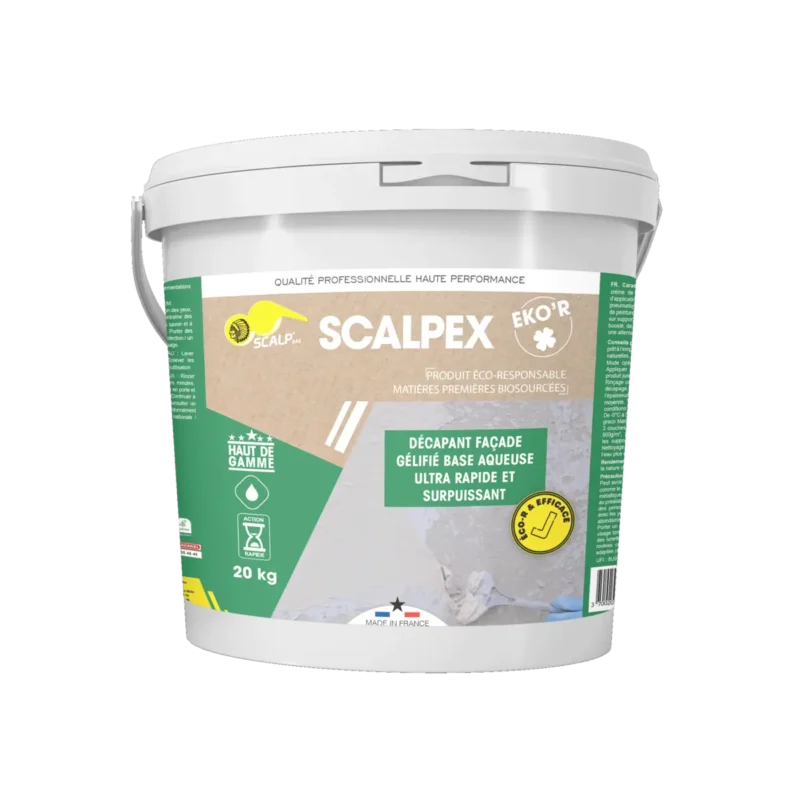
Biodegradable Gel Paint Stripper – SCALPEX® EKO’R

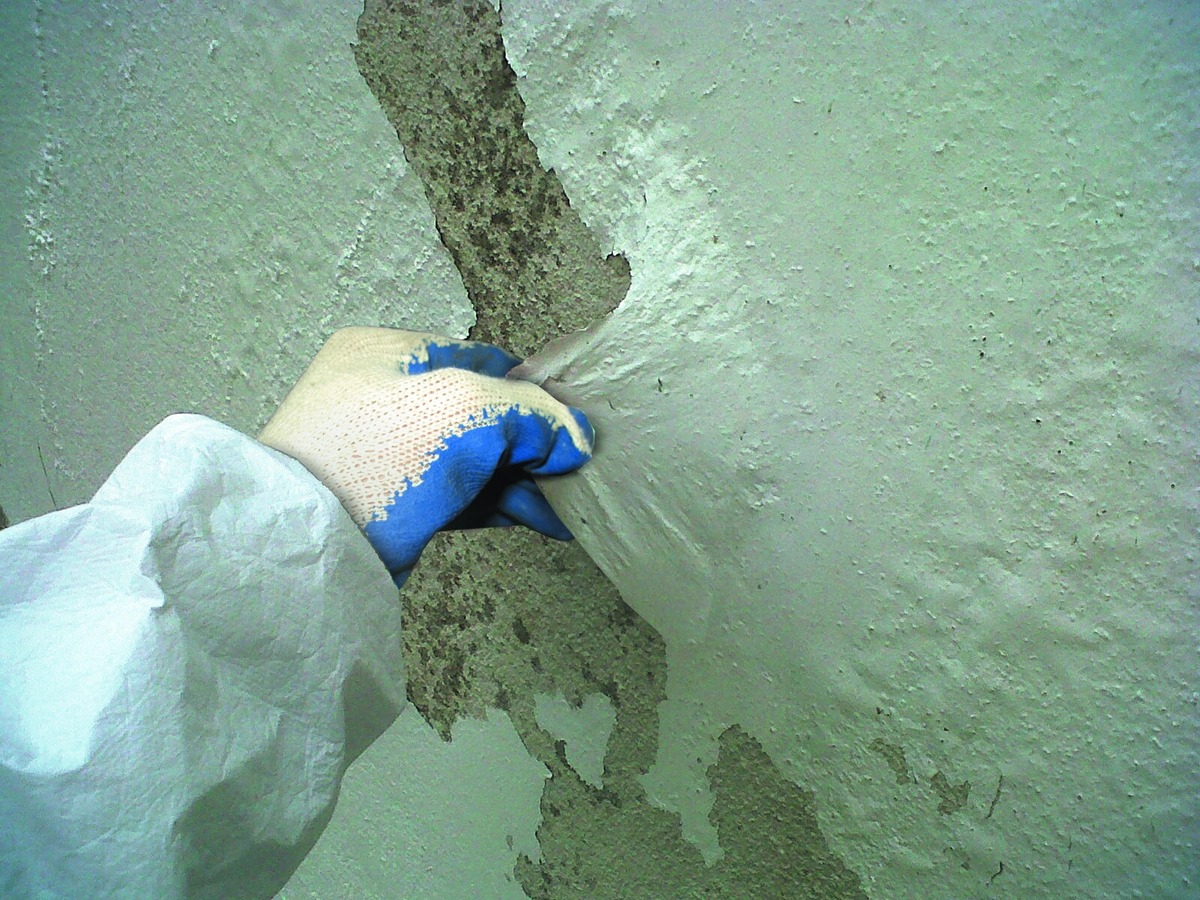
SCALPEX® EKO’R is a biodegradable, gel-based façade stripper formulated for the rapid and safe removal of:

  • Paints (including old lead-based layers)
  • Textured coatings (RPE/RSE)
  • Waterproofing films
  • Thin layers on plaster, concrete, stone, and brick

Its gel texture ensures precise application without drips, making it perfect for vertical surfaces and façades. SCALPEX® EKO’R can be applied with a roller, brush, or pneumatic sprayer, and begins acting in as little as 40 minutes, depending on coating type and thickness.
Ultra-Fast Gel Paint Remover for Façades – SCALPEX® SD+

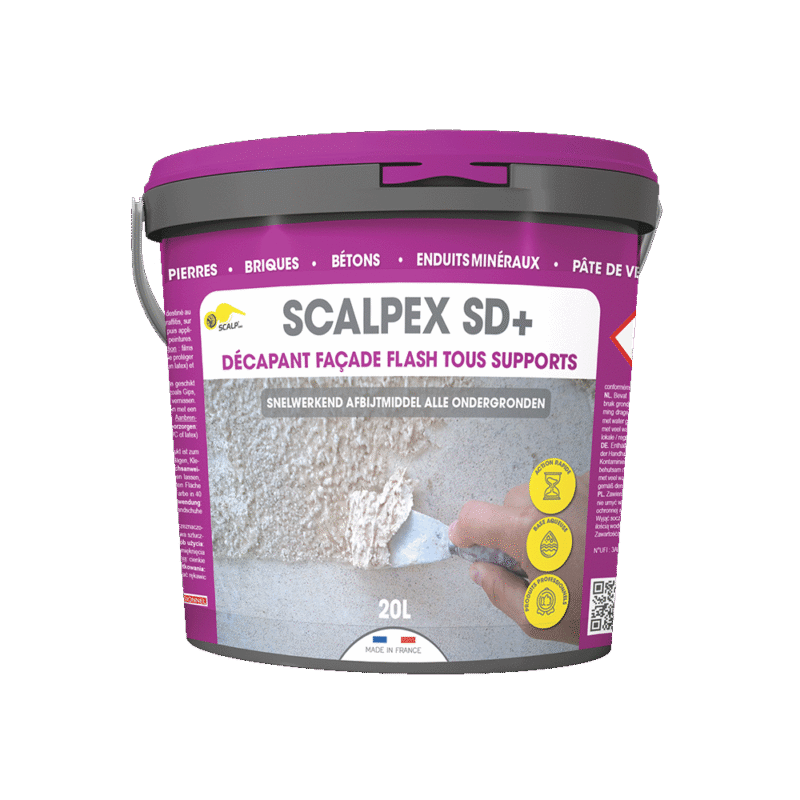
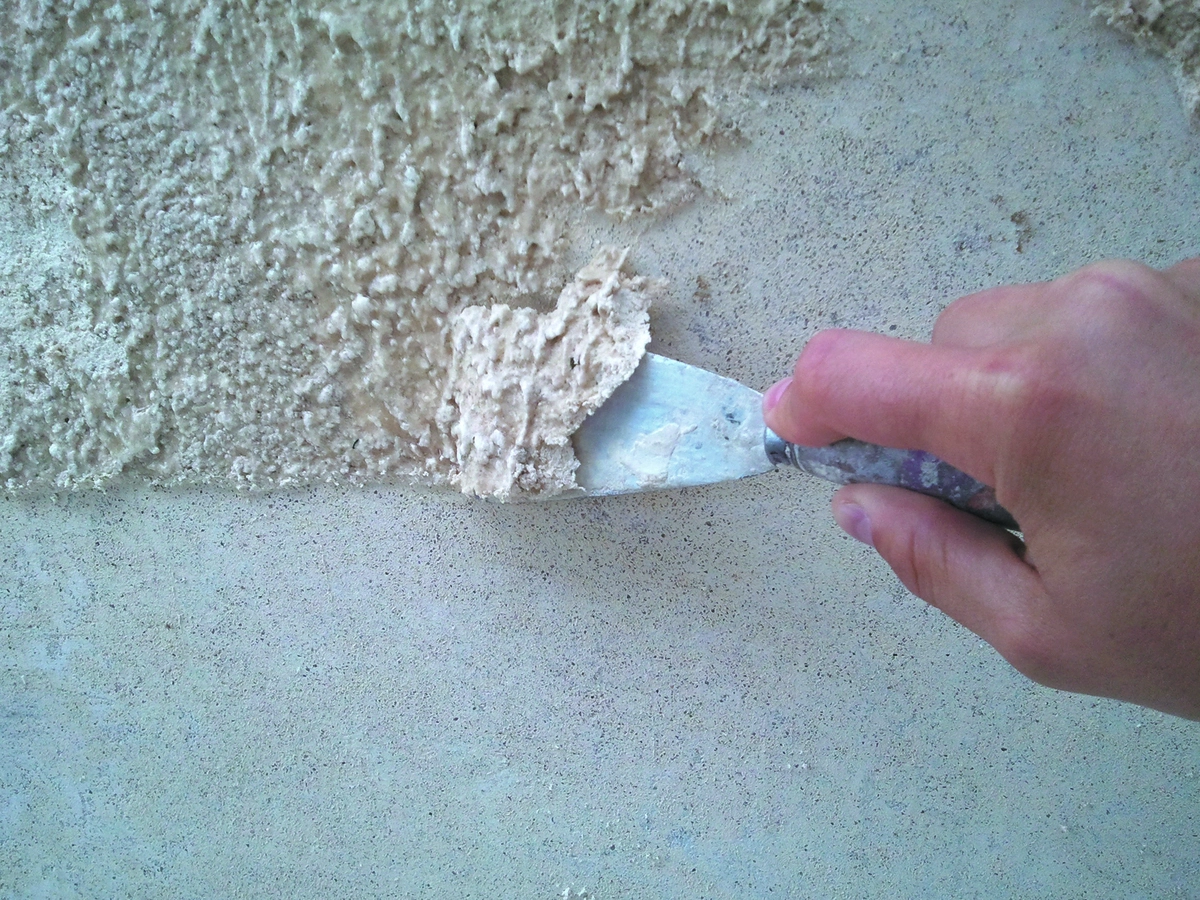
SCALPEX® SD+ is an ultra-fast gel paint stripper designed to efficiently remove paints, waterproofing systems, thin RPE coatings, and graffiti from a wide range of exterior surfaces, including render, concrete, stone, brick, wood, and mineral substrates.

Thanks to its innovative “flash effect” formula, it softens coatings in just 15–60 minutes depending on thickness. Ready to use, this gel paint remover is simple to apply with a brush or airless sprayer. Odourless and DCM-free, SCALPEX® SD+ is ideal for rapid, high-performance stripping on vertical façades and exterior walls.

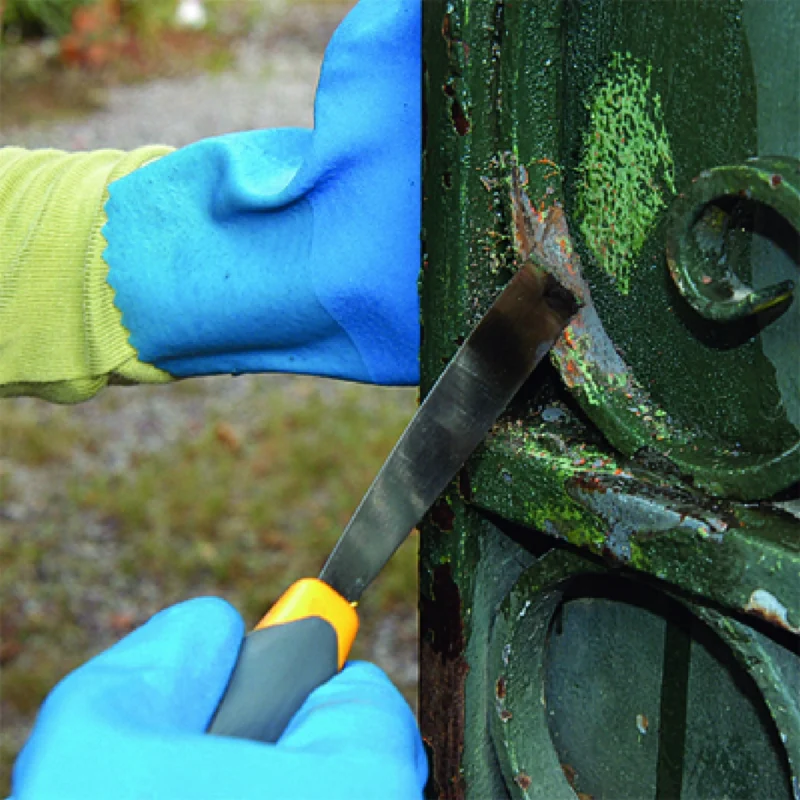
No-Rinse Paint Remover for Metal – SCALPIK® DECAP’SEC NW NG

SCALPIK® DECAP'SEC NW NG is a high-performance liquid paint remover for metal and multiple surfaces, designed for rapid and efficient coating removal. It enables fast paint removal on metal, wood, zinc, galvanised steel, stone and concrete, eliminating paints, varnishes, stains and adhesives with minimal effort.

This professional-grade paint stripper for metal and wood is ideal for renovating joinery such as staircases, window frames, shutters, doors, furniture and panels. Its versatile liquid formula can be applied by immersion, spraying or brushing, making it a practical solution for refurbishment and industrial maintenance projects.
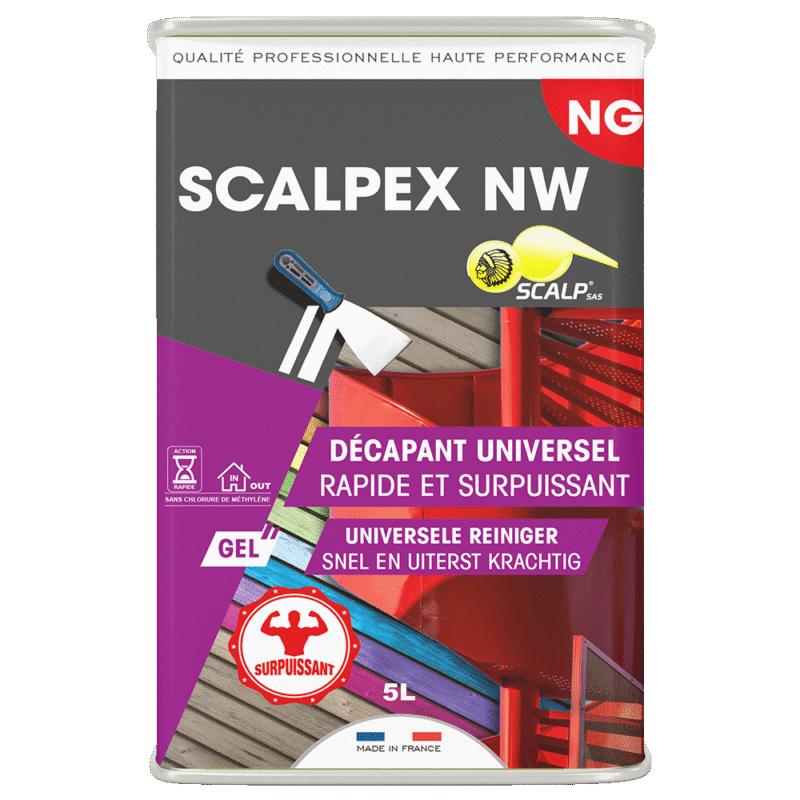
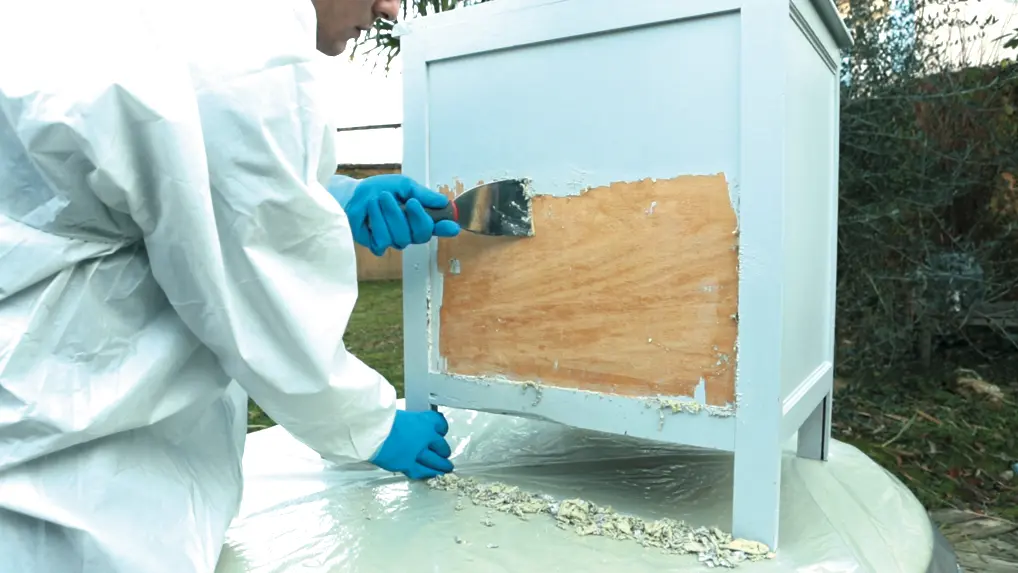
No-Rinse Paint Stripper for Wood – SCALPEX® NW NG
SCALPEX® NW NG is a high-performance gel paint remover for wood designed for fast and efficient coating removal across multiple surfaces, including wood, joinery, metal, zinc, concrete and stone. It enables reliable paint removal on wood, eliminating paint, varnish and wood stains with precision. Its gel consistency provides excellent adhesion without dripping, making it particularly effective on vertical surfaces such as staircases, window frames and decorative joinery. Suitable for both interior and exterior applications, this professional-grade paint stripper for wood is ideal for renovation projects, refurbishment work and routine maintenance.

Professional Paint Stripper for Façades – SCALPEX® SD NG

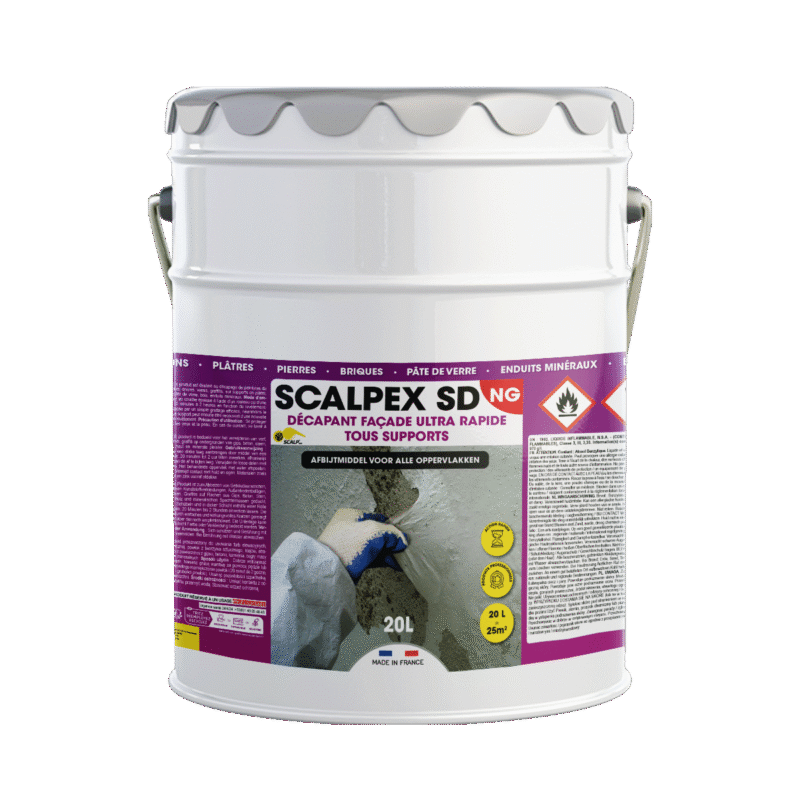
SCALPEX® SD NG is an ultra-fast chemical paint stripper designed for the rapid and safe removal of waterproofing systems, RPE coatings, thin paint films, adhesives, inks, varnishes, and graffiti. Free from methylene chloride, NMP, and NEP, this high-performance paint stripper remover delivers effective action across a wide range of substrates, including plaster, concrete, stone, brick, glass mosaic, wood, and mineral coatings.

Its optimised gel viscosity ensures excellent adhesion on vertical surfaces, making it the ideal paint remover for façades, exterior walls, and architectural elements.


Frequently asked questions about paint stripping

What is the difference between chemical stripping and sanding?

A chemical stripper softens the coating, which is then lifted off with a scraper, without cutting into the substrate or its relief. Sanding removes material by abrasion: it suits thin layers and flat surfaces, but it takes material away and can mark wood with a pronounced grain.

Does chemical stripping damage the substrate?

No: a chemical stripper acts on the coating, not on the substrate. That is precisely what makes it suitable for stone, iron, wood and concrete, as well as for moulded pieces.

Can a façade be stripped without chemicals?

Yes, by low-pressure dry or wet blasting, which project a soft abrasive with or without water. These techniques avoid the dust of conventional sandblasting and suit fragile substrates.

Share