Stripping work

Stripping work: Applications in construction

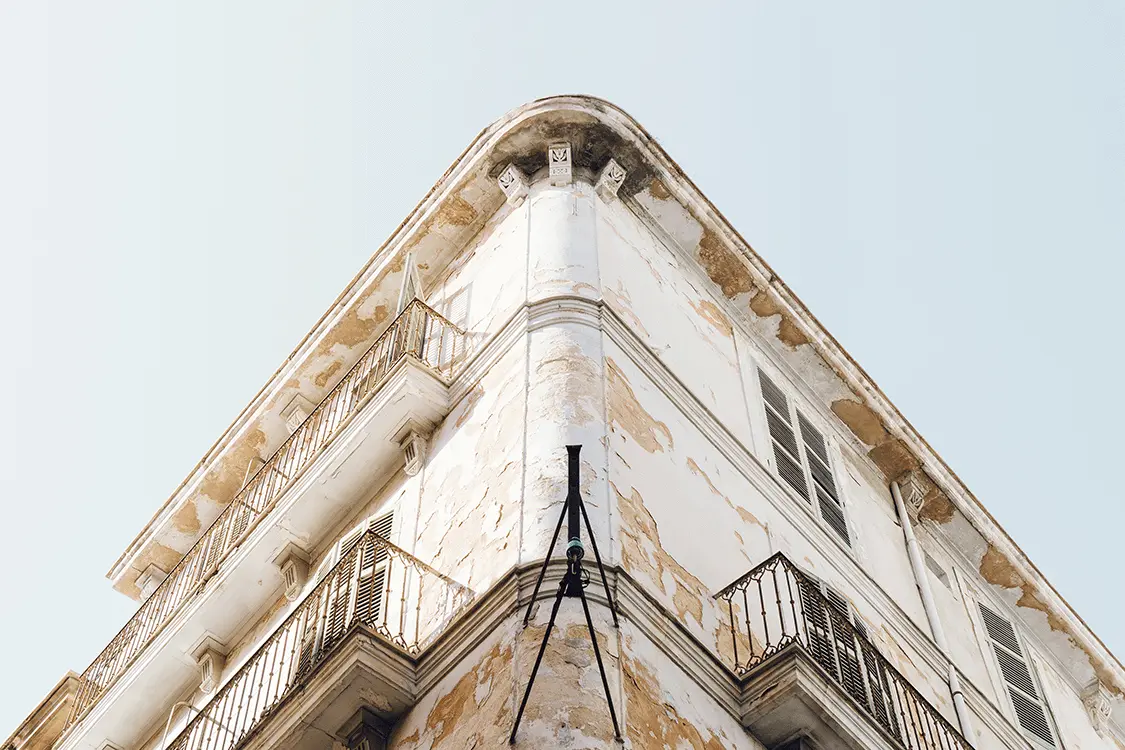
Stripping work is essential for effectively renovating a surface. Whether it’s wood, metal, or stone, stripping ensures a sound substrate before any treatment in the renovation of various spaces, including homes, public infrastructure, road structures, and even industrial facilities. In this article, we will explore the different methods of stripping, highlighting the advantages and disadvantages of each, while providing practical advice on choosing the best approach depending on the material to be treated.

Why are they essential ?

Stripping involves removing a layer of material from a surface in order to maintain or renovate it. This step is essential before treating, protecting, painting, or varnishing a surface. It allows surfaces to be restored to their original appearance.

Facade sandblasting : method and limitations

Sandblasting is a relatively aggressive cleaning method that cannot be used on all surfaces. This technique involves blasting a dry abrasive onto a hard surface without adding water.

However, this method is gradually being replaced by other gentler techniques, such as hydro-rubbing or air-rubbing.

Advantages of sandblasting

Disadvantages of sandblasting

Strips

Aggressive technique: damages the material

Cleans

Removes limestone, which is the natural protective layer of stone

Deoxidizes and degreases

Produces dust

Wide range of applications

Leaves a rough surface

Effective for cleaning facades

Consumes abrasive material

Creates roughness that facilitates adhesion

Causes silicosis due to the presence of silica

Hydro-gumming vs. air-gumming: which stripping technique should you choose ?

Air blasting is a stripping technique similar to sandblasting, but gentler. It involves spraying an abrasive at low pressure, without water, allowing for dry cleaning suitable for various surfaces. This method uses environmentally friendly abrasives that are not harmful to health.

Hydro-gumming is based on the same principle, but with the addition of water. This limits dust production and makes the technique gentler on fragile surfaces.

Shooting a chemical stripper for your stripping work

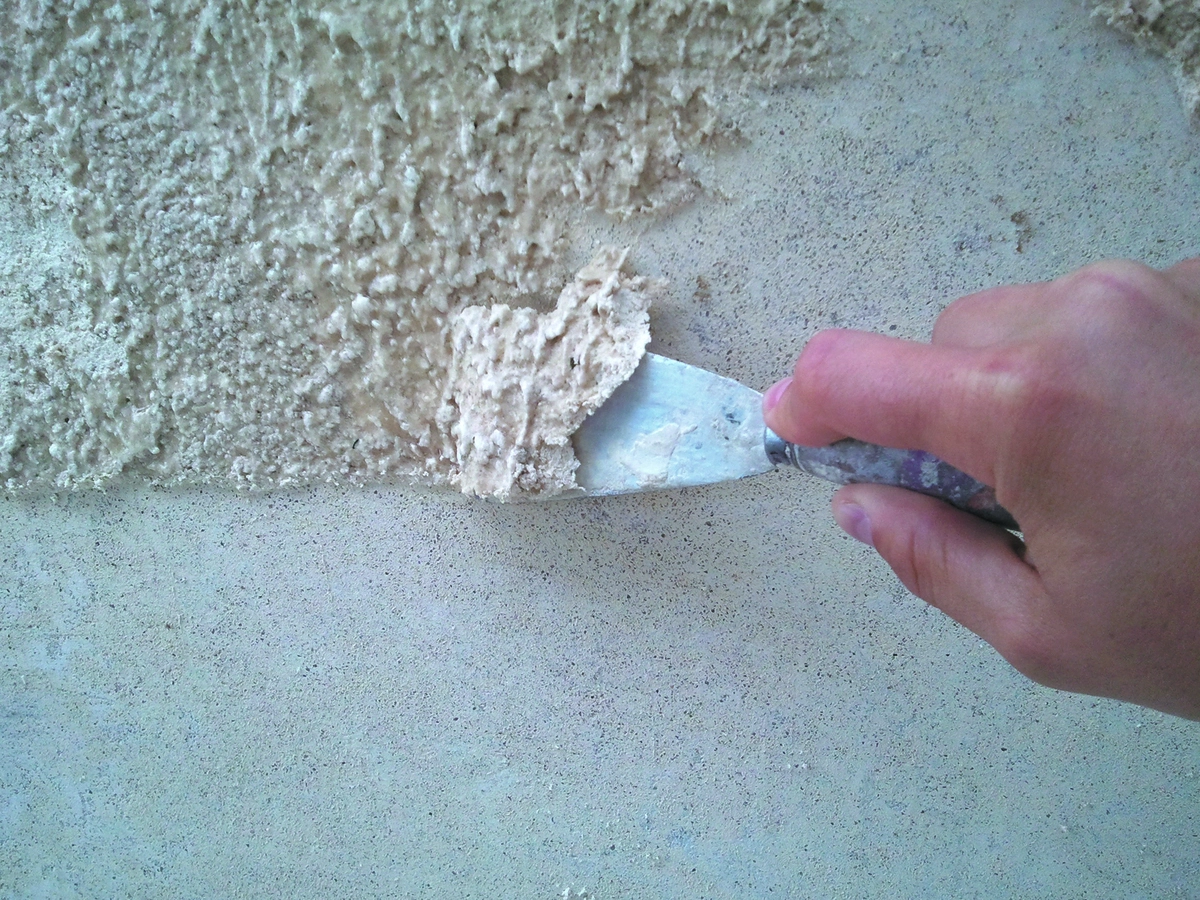
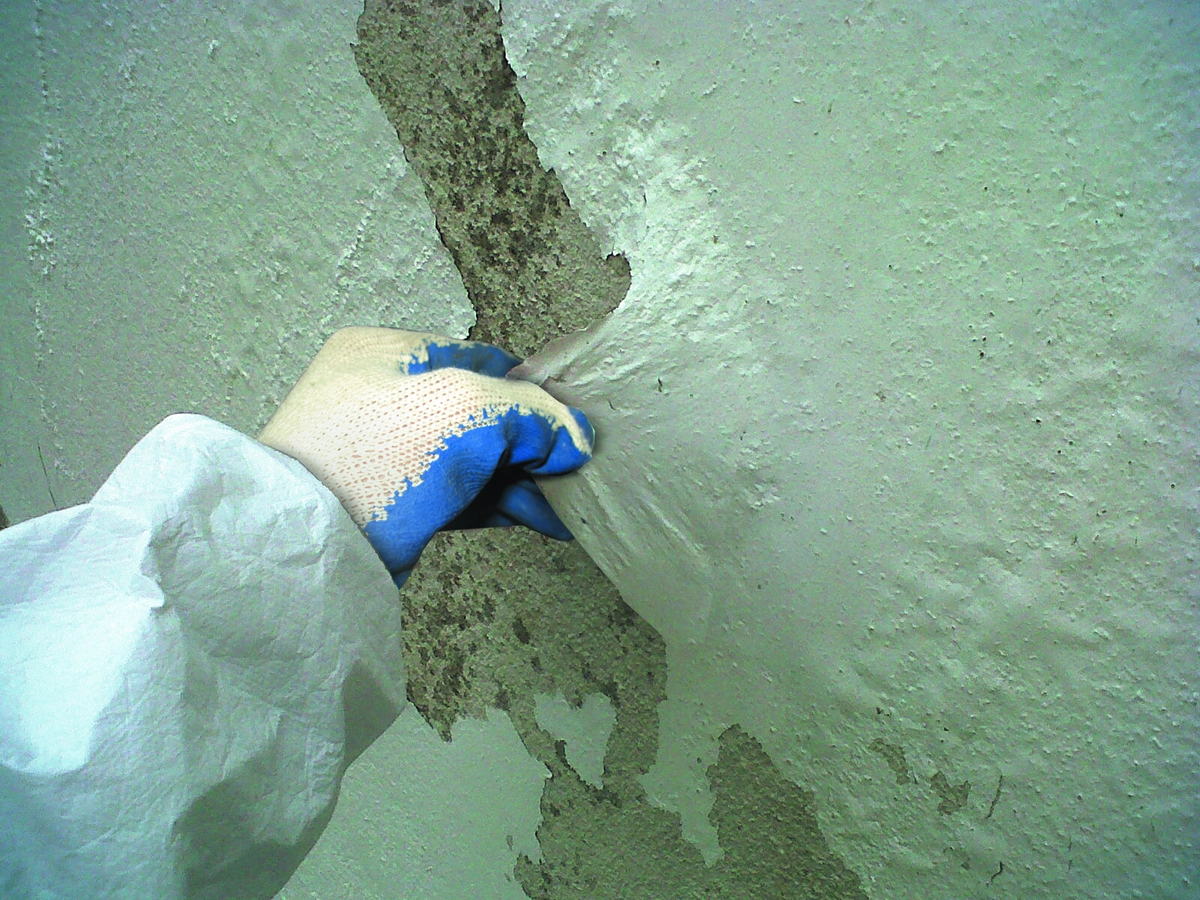
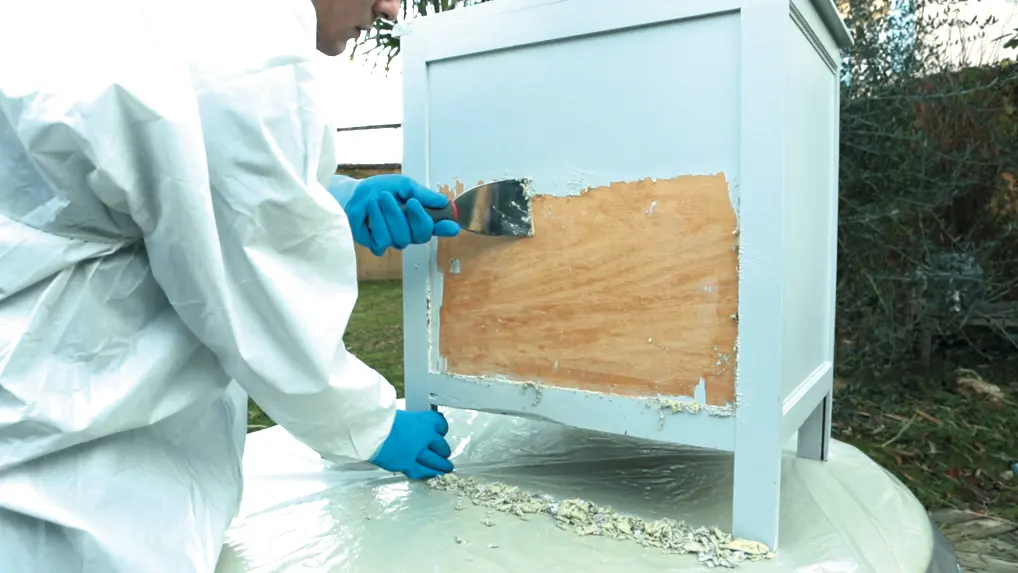
Chemical strippers remove coatings without damaging the substrate (stone, iron, wood, etc.). They soften paint or glue using solvents and active ingredients. The product should be chosen based on the type of surface and coating to be removed.

Gel strippers are ideal for smooth, impermeable surfaces, as they act slowly without running.

Important safety precaution ! Before use, take safety measures, as these products are very aggressive and harmful to the user.

Our stripping products :

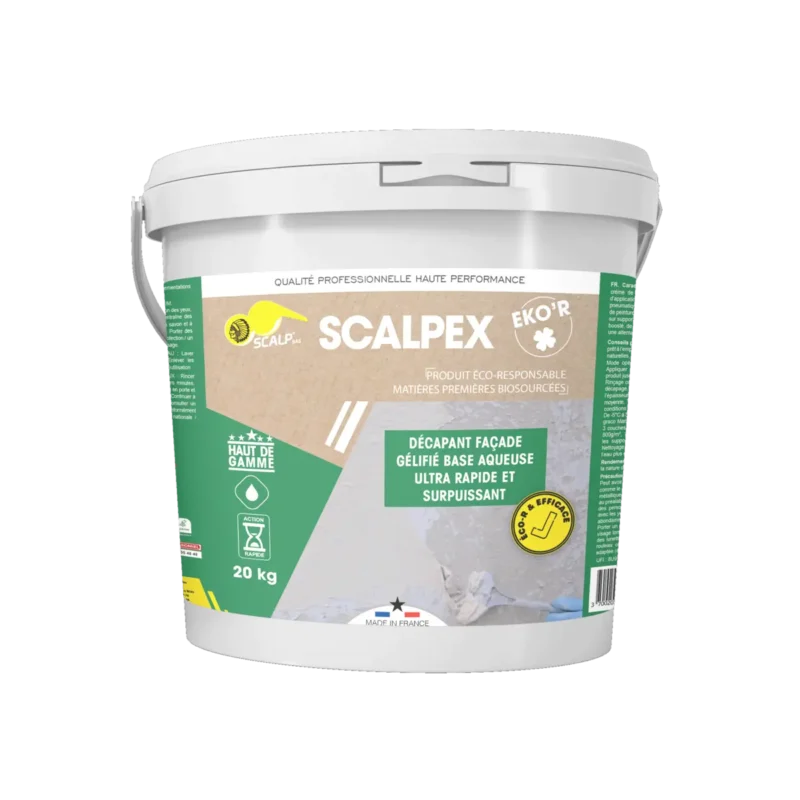
SCALPEX® EKO’R

SCALPEX® EKO’R is a biodegradable, gel-based façade stripper designed to remove paints, textured coatings (e.g., heavily layered coatings), waterproofing films, and thin layers from plaster, concrete, stone, and brick. Its gel texture makes it easy to apply using a roller, brush, or pneumatic sprayer. Depending on the type and thickness of the coating, SCALPEX® EKO’R begins working in as little as 40 minutes.

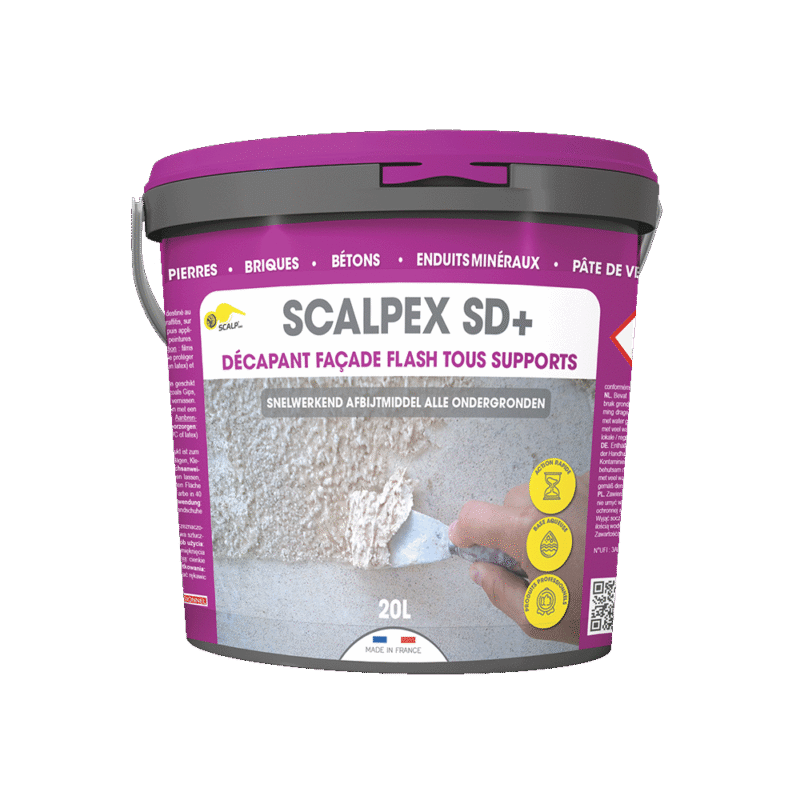
SCALPEX® SD+

SCALPEX® SD+ is an ultra-fast gel-based façade stripper designed to efficiently remove paints, waterproofing systems, thin RPE coatings and graffiti from a wide range of surfaces (render, concrete, stone, wood, etc.). Thanks to its “flash effect” formula, it works in just 15 to 60 minutes, depending on the coating. Ready to use, it is easy to apply with a brush or airless sprayer. Odourless, safer to use, SCALPEX® SD+ is ideal for rapid, high-performance stripping on vertical surfaces.

SCALPEX® SD NG

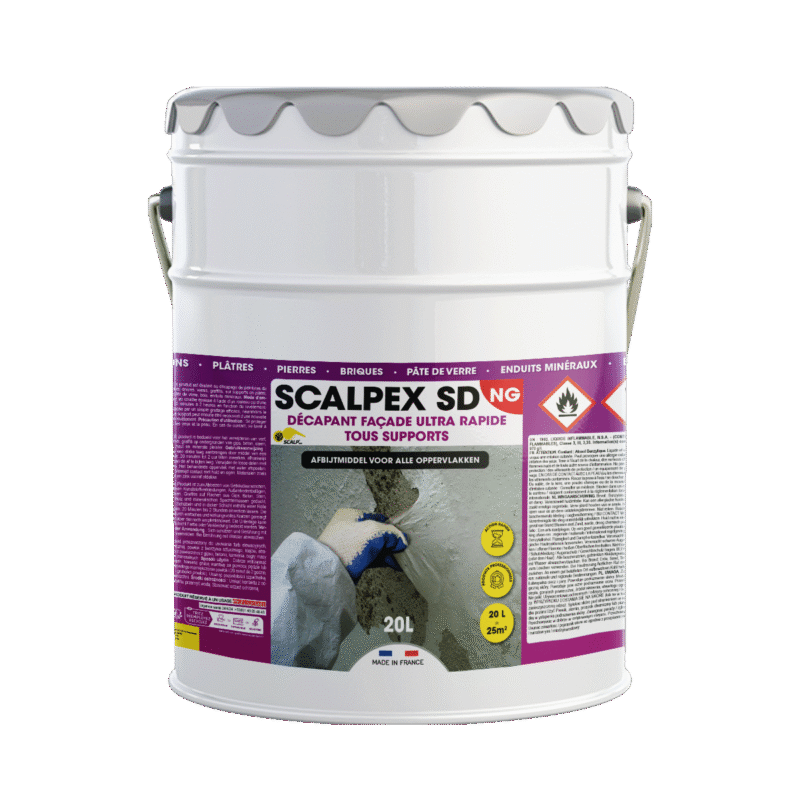
SCALPEX® SD NG is an ultra-fast façade stripper designed to remove waterproofing systems, RPE coatings, thin films, adhesives, inks, varnishes and graffiti. Free from methylene chloride, NMP and NEP, it delivers rapid and effective action on a wide variety of substrates, including plaster, concrete, stone, brick, glass mosaic, wood and mineral coatings. Its optimised viscosity ensures excellent adhesion on vertical surfaces, making it ideal for stripping façades and exterior walls.

Other types of stripping : 

  • Thermal stripping: Use of a heating device to soften and remove the coating.
  • Mechanical stripping: Use of abrasive tools (sanders, brushes, spatulas) to remove layers of material.

These methods are recommended for small surfaces and require a certain amount of expertise.

Metal stripping :

Iron or metal objects (shutters, gates, balconies) are prone to oxidation and corrosion. Stripping restores the original appearance before applying a protective treatment or new paint.

It is used on surfaces such as zinc, aluminum, steel, cast iron, and wrought iron.

Wood stripping: suitable techniques and recommended products

Several techniques exist :

  • Thermal stripping : Fast and effective with a scraper or sanding finish.
  • Chemical stripping : Must be carried out outdoors due to toxic fumes.
  • Sanding : Suitable for thin layers of paint.
  • Mechanical stripping : Use of manual or machine-operated abrasives.

Our wood stripping products :

SCALPEX® NW NG

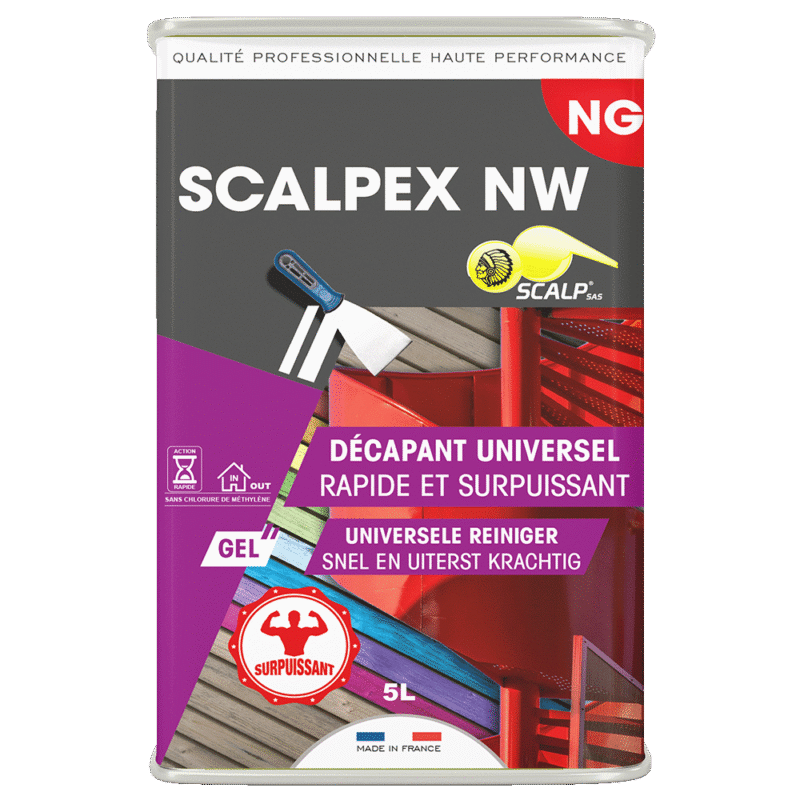
SCALPEX® NW NG is a highly effective gel paint stripper designed to remove paint, varnish and wood stain from a wide range of substrates, including wood, joinery, metal, zinc, concrete and stone. Its gel texture ensures excellent adhesion, even on vertical surfaces, without dripping—making it an essential solution for both interior and exterior renovation projects. This gel stripper is perfectly suited for stripping staircases, window frames, joinery, panels, furniture and other delicate surfaces. Ideal for both major renovation work and regular maintenance tasks.

Essential equipment for effective stripping :

  • A suitable stripping product
  • An application brush
  • A metal spatula
  • A paint knife
  • A soft wire brush

Mastering stripping techniques is essential to ensure a successful renovation. Choose the method best suited to your surface for optimal results.

Discover our range of stripping products and bring your surfaces back to life !

Share